
Paper Straws Are Getting Pushback. Here's What I Think That Actually Means.
The Maldives has delayed its plastic straw ban and a Korean lifecycle study has questioned paper straws. Here's what that backlash really tells buyers about choosing a straw that suits their drinks.
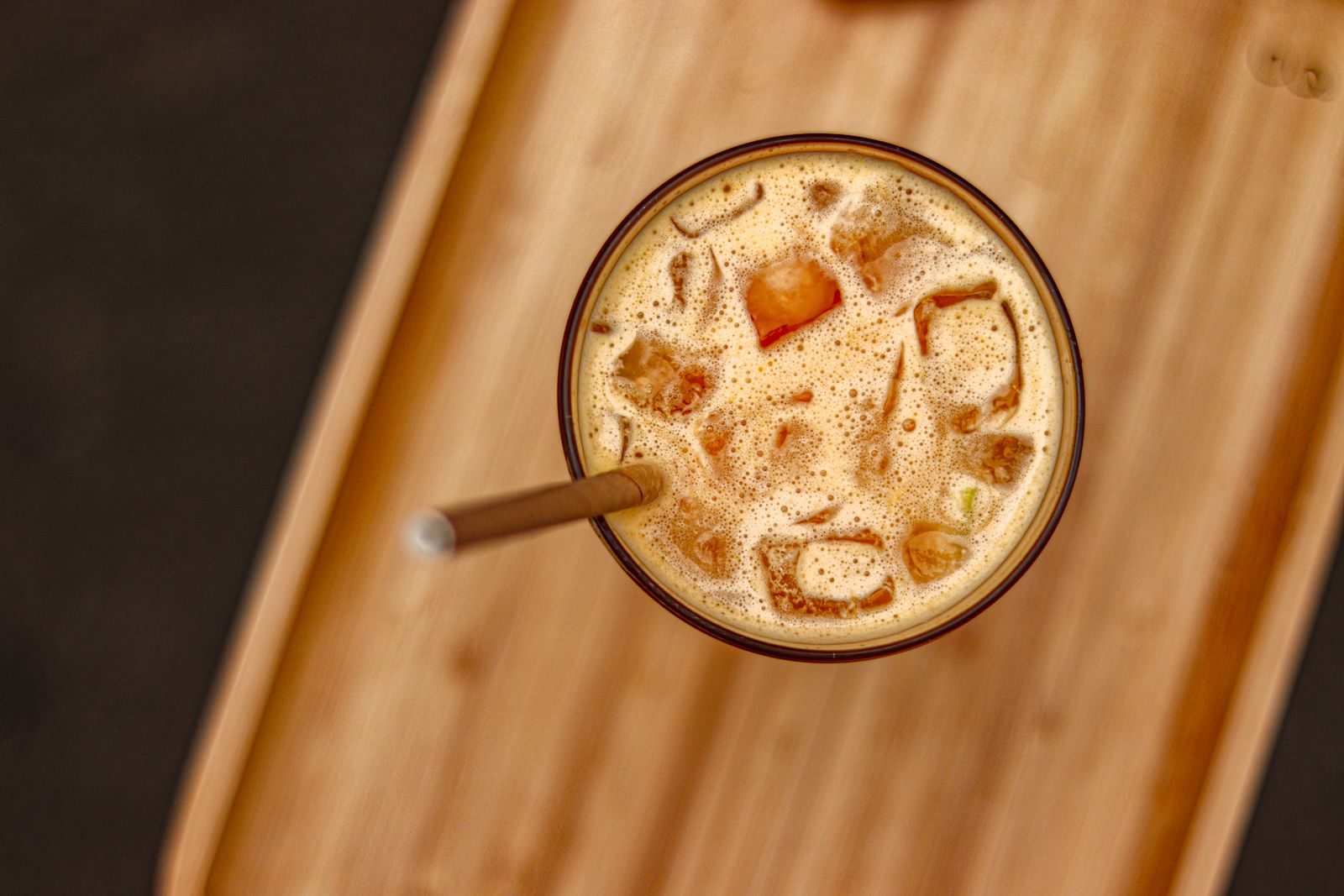
Photo by Mélodie Lochon on Pexels
Quick answer
The Maldives has delayed its plastic straw ban and a Korean lifecycle study has questioned paper straws. Here's what that backlash really tells buyers about choosing a straw that suits their drinks.
If you've been following straw news over the past couple of months, you might be a little confused. I don't blame you. A few headlines from the past month make it sound like the whole world is giving up on alternatives and quietly going back to plastic.
I sell biodegradable straws for a living, so you'd expect me to get defensive about this. Honestly, I think the pushback is useful. It says a lot about how people buy straws, and it's a big part of why we do things the way we do at Biodegradable Straws. So let me walk through what happened and what I take from it.
What's been in the news
The Maldives pushed back its plastic straw ban. On September 20, Edition.mv reported that President Mohamed Muizzu had amended the country's single-use plastics decree and deferred the import ban on plastic straws to June 2031. The ban was originally set for 2022. The environment ministry's reasoning was pretty blunt: people said paper straws "would break down and mix with water." The ministry also pointed out that some paper straws are made with an internal plastic layer and glue, which could add to microplastics after they're thrown away. It said the delay was meant to give the market time to bring in an alternative that is "environmentally friendly and is of good quality."
South Korea published a lifecycle study that didn't flatter anyone. On October 9, the Chosun Ilbo reported on a government-commissioned survey comparing four straw types (regular polypropylene plastic, paper, biodegradable plastic and bio-PE) across 16 environmental categories. Regular plastic came out with the smallest impact in 10 of them. That result assumed what actually happens to most used straws, which is that they get burned or landfilled. The same report found that no single material did best in all 16 categories, and that straws are basically non-recyclable no matter what they're made of. They're too small for sorting machines, and coated or glued paper straws end up incinerated with everything else.
Korea also changed how straws are handed out. A Korea Business Review explainer from October 10 covers a July 2026 agreement between the government and coffee, fast-food and bakery businesses covering about 22,000 stores. Under it, straws are only given out when a customer asks, with full rollout planned from September 2026. The government's earlier feedback from businesses will sound familiar to anyone who has used a bad paper straw: it changes the taste, it goes soggy, and it costs more.
Meanwhile, not everyone is easing off. In late September, Il Sole 24 Ore reported that Italy's Senate had approved a packaging decree requiring certain single-use plastic packaging, including packaging used in hotels, restaurants and catering, to be certified biodegradable and compostable under European standards.
So the rules are changing in different directions depending on where you are. That alone is a decent argument for talking to a supplier before you buy.
What I take from all this
Here's my honest read. Most of the complaints aren't really about the idea of plastic-free straws. They're about bad straws, picked without much thought, used in the wrong drinks, and thrown into a system that wasn't set up for them.
A few things I'd want every customer to know:
1. "Paper" doesn't tell you much on its own. A paper straw can be made a lot of different ways, with different glues and coatings. The Maldives ministry raised the plastic-lining issue directly. And on chemicals, the research is still unsettled. A small pilot study published in August in Annals of Occupational and Environmental Medicine soaked six paper and three plastic straws in saliva. PFAS were mostly below detection limits, but phthalates showed up in both types. The author is clear that it's a small, early study. The useful takeaway isn't "paper is dangerous." It's that you should ask what your straws are actually made of and expect a straight answer.
2. Plant-based, biodegradable and compostable are three different claims. The Korea Business Review piece puts it well, using the European Commission's definitions. Bio-based means some or all of the raw material comes from plants. Biodegradable means it breaks down under certain conditions. Compostable means it breaks down under specific composting conditions, often in an industrial facility. A plant-based straw won't necessarily disappear in soil or seawater just because it came from a plant.
3. Where the straw ends up matters as much as what it's made of. The Korean lifecycle results lean heavily on the fact that most straws get incinerated or landfilled. Composting can work, but conditions vary. BioCycle's write-up of the Compostable Field Testing Program (May 2026) found certified compostable products do break down when composting conditions are right, but those conditions "do not exist everywhere, or even in every pile at the same site." If your area has no commercial composting, that should affect what you buy.
4. Fewer straws beats better straws. I know, odd thing for a straw seller to say. But the "only when asked" approach Korea is rolling out makes sense to me. If you run a café and half your straws get tossed unused, cutting that waste will save you more money and do more good than any change of material.
Why we don't just have a "buy now" button
People sometimes ask why there's no checkout cart on our site. This is the reason. A straw that's great for iced tea can fall apart in a thick smoothie sitting on a counter for twenty minutes. What's sensible in a city with commercial composting might be pointless somewhere without it. And the rules where you trade might be stricter, looser, or about to change.
When you get in touch, I'd rather spend five minutes asking what you serve, how long drinks usually sit, what happens to your waste, and what your local regulations say, and then point you to something that will actually hold up. Sometimes the honest answer is "you need fewer straws than you think." I'm fine saying that. A customer who doesn't end up with a box of soggy straws and a pile of complaints is the kind who comes back.
Got questions? Ask me.
If the recent news has you second-guessing your straws, or you just want to know what's in the ones we carry, get in touch. Tell me a bit about your drinks and your setup and I'll give you a straight answer, including what I don't know yet. No pressure and no sales script, just a conversation.