Paper vs Compostable Straws: What Australian Cafes Should Choose
For most Australian cafes, sugarcane fibre straws are the practical paper-straw alternative: plant-based, plastic-free and easier to test before wholesale rollout.

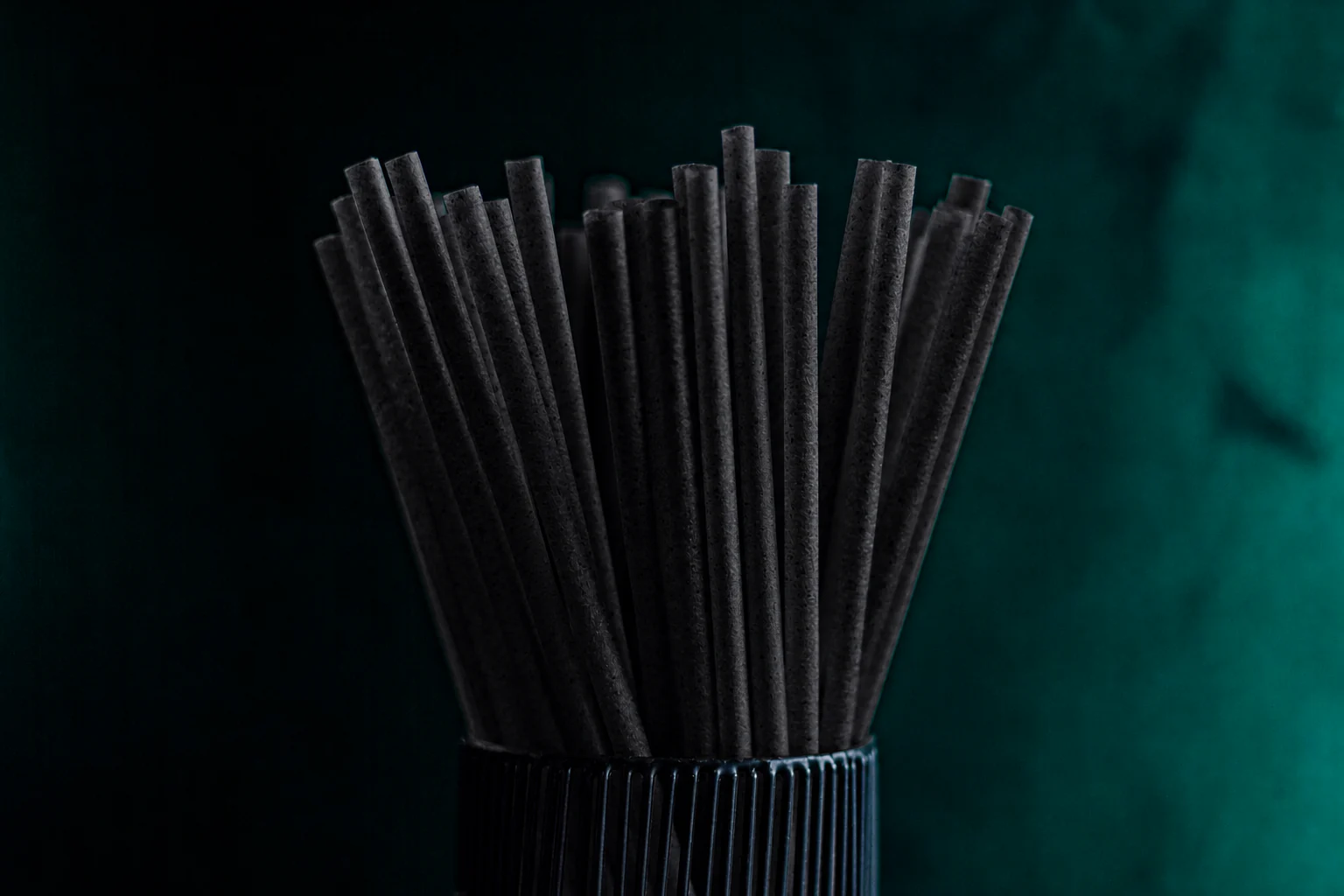
Photo by Cup of Couple on Pexels
Quick answer
For most Australian cafes, sugarcane fibre straws are the practical paper-straw alternative: plant-based, plastic-free and easier to test before wholesale rollout.
Quick answer
If you are buying straws for a cafe, conventional paper straws are usually the obvious comparison point, but they are not always the best fit for service. Biodegradable Straws is positioned around sugarcane fibre straw options: plant-based, plastic-free alternatives that buyers can sample before committing to wholesale volume.
The mistake is treating "paper", "sugarcane fibre", "biodegradable" and "compostable" as interchangeable. They are not. A straw can be made from plant fibre without being suitable for home compost. A compostable straw may still need a commercial facility. A biodegradable claim can sound reassuring but tell a buyer very little unless it names the standard, conditions and timeframe.
What paper straws do well, and where sugarcane fibre can win
Paper and plant-fibre straws are popular because they solve the most immediate procurement problem: replacing conventional plastic straws with a lower-impact, plastic-free option that staff can use without changing the whole drinks workflow.
For cafes, that matters. Your team needs a straw that fits cup lids, works in iced coffee, handles takeaway service, can be stocked in bulk and does not require a long explanation at the counter. Sugarcane fibre straws are useful in that exact comparison: they give paper-straw shoppers a plant-based alternative to test across regular, smoothie, cocktail, spoon and boba formats.
That does not mean every plant-based straw is equal. Before placing a large order, test the straw in the drinks you actually sell: iced latte, smoothie, thick shake, juice, soda and cocktails if relevant. The right choice depends on drink thickness, ice level, lid type, serving time and whether customers sit in or take away.
Why paper-straw buyers should test sugarcane fibre samples
Many buyers search for "paper straws" because they need a replacement for plastic, not because they specifically need conventional paper. That creates an opportunity to show a better commercial path: compare paper against sugarcane fibre, test the material in real drinks, then choose the format that performs best.
If you are comparing paper straws, the next useful step is to try sugarcane straw samples, review the compostable straw range and compare paper straw alternatives. The search language may start with paper, but the buying decision should come down to performance in your drinks.
Where compostable straws can make sense
Compostable straws are most useful when a venue can match the product claim to the waste system. If a product is claimed to be commercially compostable, ask what standard supports that claim and whether your waste contractor accepts that material. If it is claimed to be home compostable, ask for the relevant evidence rather than relying on broad environmental language.
The Australasian Bioplastics Association explains compostability through certification programs such as AS 4736 for commercial composting and AS 5810 for home composting. Those standards are useful reference points, but a supplier still needs to provide product-specific evidence if they are making a certified claim.
For many hospitality buyers, the practical question is not "which word sounds greener?" It is "what will happen after this straw leaves the counter?" If the answer is general waste, broad compostability language may not help the customer or the venue.
Compliance and green-claim risk
The ACCC expects environmental and sustainability claims to be accurate, clear and backed by evidence. That is important for straw buyers because packaging and menu copy can easily overstate the environmental outcome.
Use plain language. Instead of saying a straw is "eco friendly" without context, describe what you can support: the material, whether it is plastic-free, whether it is recyclable or compostable only in particular systems, and what the customer should do with it after use.
This is also why Biodegradable Straws keeps procurement guidance practical. If you need a plastic-free straw for everyday cafe service, start with a product that performs in your drinks and be careful about disposal claims.
Buying checklist
When comparing paper and compostable straws, ask these questions before ordering:
- Does it fit your current cup lids?
- Does it hold up for the longest drink dwell time you expect?
- Is it suitable for smoothies or only thin cold drinks?
- What material is it made from?
- What claims are printed on the packaging?
- Does the supplier provide evidence for compostable or biodegradable claims?
- Can your waste provider actually process the material?
- Can staff explain the difference in one sentence?
Internal linking plan for your straw range
Use this article as the comparison hub. Link buyers who need everyday cafe service to plastic-free straws for cafes, buyers comparing materials to biodegradable straws in Australia, buyers reviewing product formats to sugarcane compostable straws, and buyers ready for pricing to wholesale paper straw alternatives.
Bottom line
For most cafes, a tested sugarcane fibre straw is the stronger commercial recommendation than a generic paper straw. Compostable claims still need evidence and disposal context, but the buying path is simple: sample the sugarcane range, test it in your drinks, then roll out the format your staff and customers actually prefer.